
Solar energy systems are designed to deliver long-term savings and clean power, but many homeowners and businesses overlook one critical factor—solar panel cleaning. Even a thin layer of dust, bird droppings, or pollution can significantly reduce energy output over time. In real-world conditions, especially in dry and dusty regions, panels often lose efficiency without noticeable warning.
Understanding the best maintenance practices, the right timing, and the safest cleaning methods can make a major difference in overall system performance, energy production, and long-term return on investment.
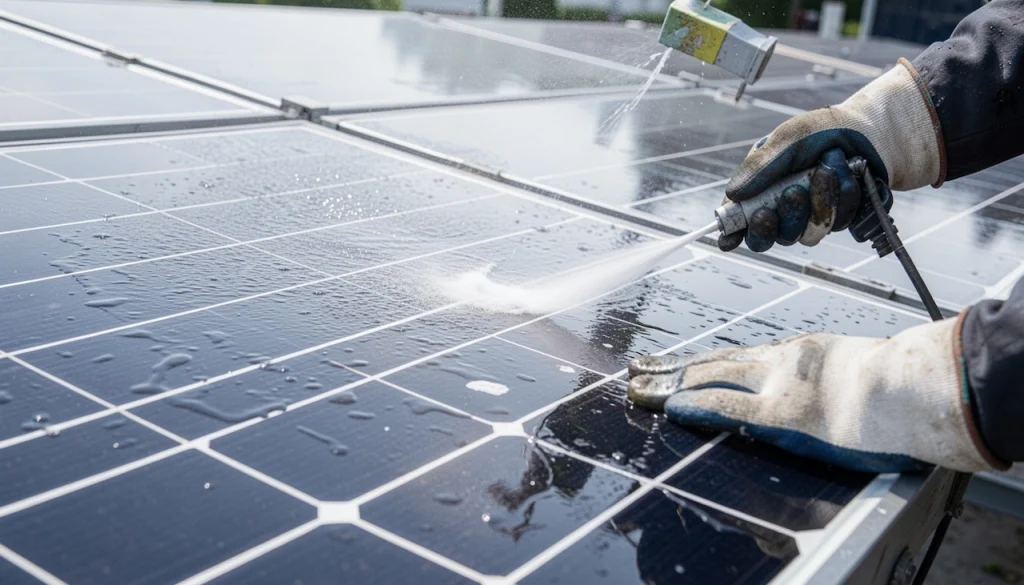
Content
Why Solar Panel Cleaning Matters for Energy Efficiency
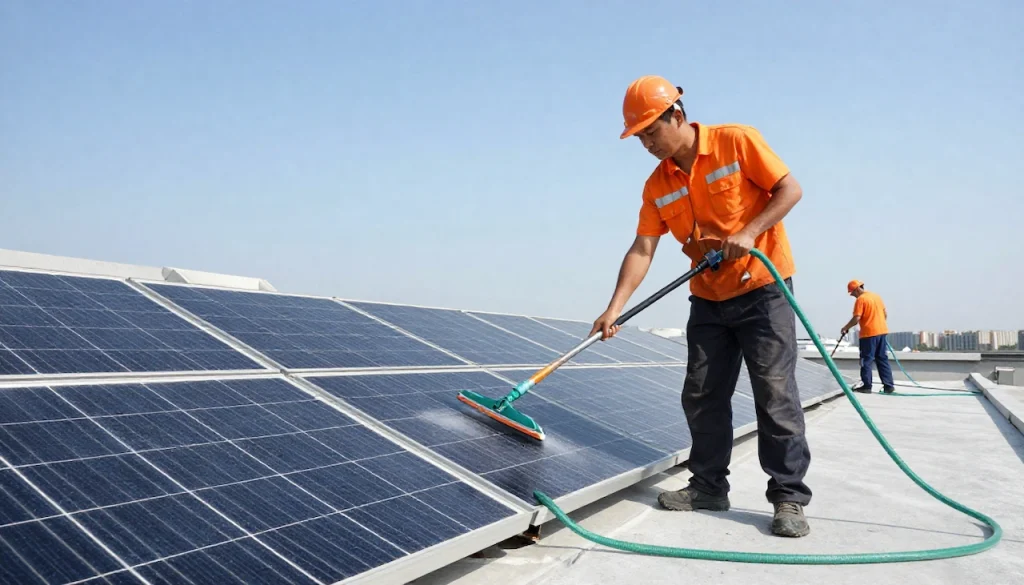
Solar panel cleaning work by absorbing sunlight and converting it into electricity. When the surface is blocked by dirt or debris, less sunlight reaches the photovoltaic cells. This directly leads to solar panel efficiency loss, which reduces power output.
In many environments, especially urban or agricultural areas, dust buildup happens faster than expected. Over time, this buildup affects the overall solar energy efficiency of the system.
Common issues caused by poor maintenance include:
- Reduced daily energy production
- Uneven power generation across panels
- Long-term performance degradation
- Increased strain on system output
Regular solar panel maintenance ensures that the system operates at its full potential without unnecessary energy loss.
How Dirt Affects Solar Panel Performance
Even though solar panels are built for durability, they are not self-cleaning. Dirt accumulation creates a thin barrier that blocks sunlight.
This is often referred to as solar panel dirt removal importance, especially in regions with high dust levels.
Some common causes of performance drop include:
- Dust storms and dry winds
- Bird droppings and organic waste
- Air pollution and smog buildup
- Tree pollen and leaves
In some cases, studies show that unclean panels can lose a noticeable percentage of output, especially during dry seasons. This makes photovoltaic panel cleaning essential for maintaining long-term system efficiency.
Best Methods for Solar Panel Cleaning
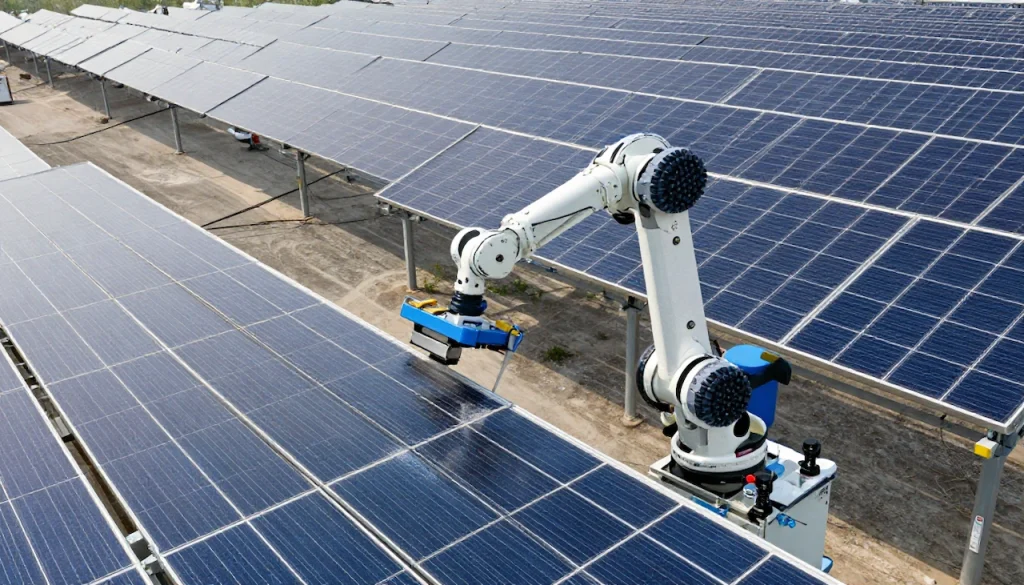
There are several safe and effective ways to clean solar panels depending on system size and location.
1. Water-Based Cleaning Method
This is the most common method where soft water and a microfiber cloth are used. It is effective for light dust but requires caution to avoid scratching the surface.
2. Dry Cleaning Technique
In areas with limited water supply, dry cleaning tools such as soft brushes or air blowers are used. This method is part of modern solar panel cleaning tools and equipment guide practices.
3. Waterless Solar Panel Cleaning Approach
Advanced cleaning systems now use electrostatic or robotic cleaning methods. These are especially useful for large installations and reduce water usage significantly.
Safe and Effective Ways to Clean Rooftop Solar Panels
Many homeowners prefer cleaning panels themselves. While this can be cost-effective, safety and technique matter the most.
Here are some practical DIY solar panel cleaning tips for homeowners:
- Clean early in the morning or late evening
- Use soft microfiber cloths only
- Avoid harsh chemicals or abrasive tools
- Never apply high-pressure water directly
- Ensure panels are cool before cleaning
A common mistake is assuming rain is enough to clean panels. However, rain often leaves behind mineral deposits that still affect performance.Understanding how to clean solar panels safely at home helps prevent accidental damage and ensures long-term efficiency.
Maintaining Peak Solar Panel Performance Through Regular Care
One of the most common questions is how often panels should be cleaned. The answer depends on location:
- Dusty regions: every 1–2 months
- Urban environments: every 3–4 months
- Rainy or coastal areas: 2–3 times per year
Following the right solar panel cleaning frequency for maximum efficiency ensures stable energy production throughout the year.
Professional Cleaning vs DIY Approach
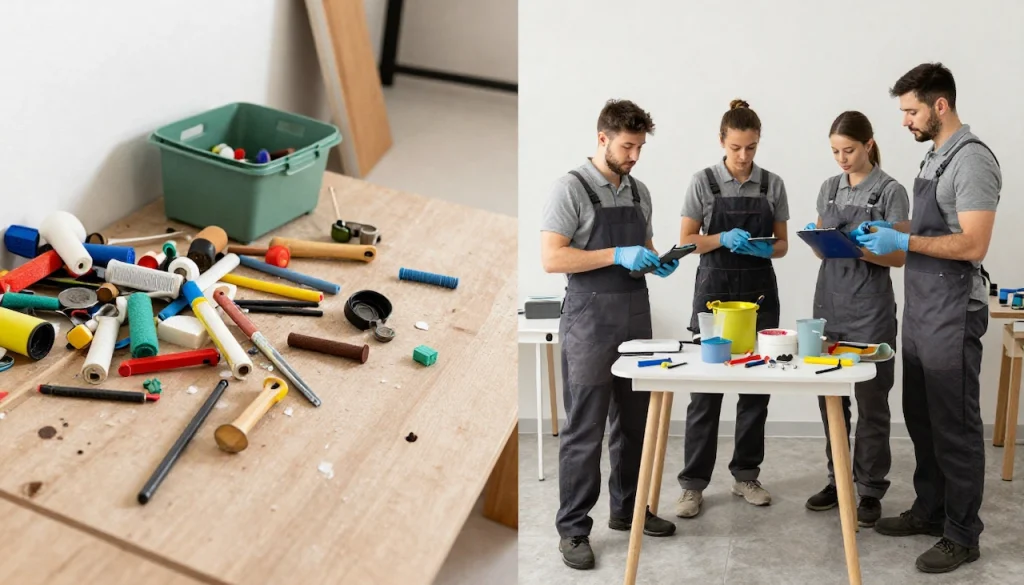
Both methods have advantages depending on system size and risk level.
DIY Cleaning
- Low cost
- Suitable for small rooftop systems
- Requires safety precautions
Professional Cleaning
- Best for commercial systems
- Uses specialized equipment
- Reduces risk of damage or injury
In many cases, professionals achieve deeper cleaning results, especially when dealing with stubborn dirt buildup.
Common Solar Panel Cleaning Mistakes to Avoid
Improper cleaning can do more harm than good. Some common mistakes include:
- Using hard brushes or rough cloths
- Cleaning during peak sunlight hours
- Using detergent or chemical cleaners
- Walking directly on panels
- Ignoring safety harnesses for rooftop systems
Avoiding these errors helps protect both performance and panel durability.
Real-Life Case Study: Residential Solar System in a Dusty Region
A homeowner in a semi-urban dusty area installed a 5kW rooftop solar system. Initially, the system performed at expected levels, but monthly electricity savings gradually declined. An inspection revealed heavy dust accumulation on the panels, which had not been cleaned for nearly four months. After proper cleaning, energy output increased noticeably within a few days. The homeowner then adopted a regular maintenance schedule based on solar panel cleaning frequency, helping maintain peak performance and maximize long-term electricity savings.
Key takeaways from this case:
- Even light dust buildup impacts performance
- Regular cleaning restores energy output quickly
- Preventive maintenance is more effective than corrective cleaning
This example highlights the importance of consistent solar panel maintenance in real-world conditions.
Safety Tips for Solar Panel Cleaning
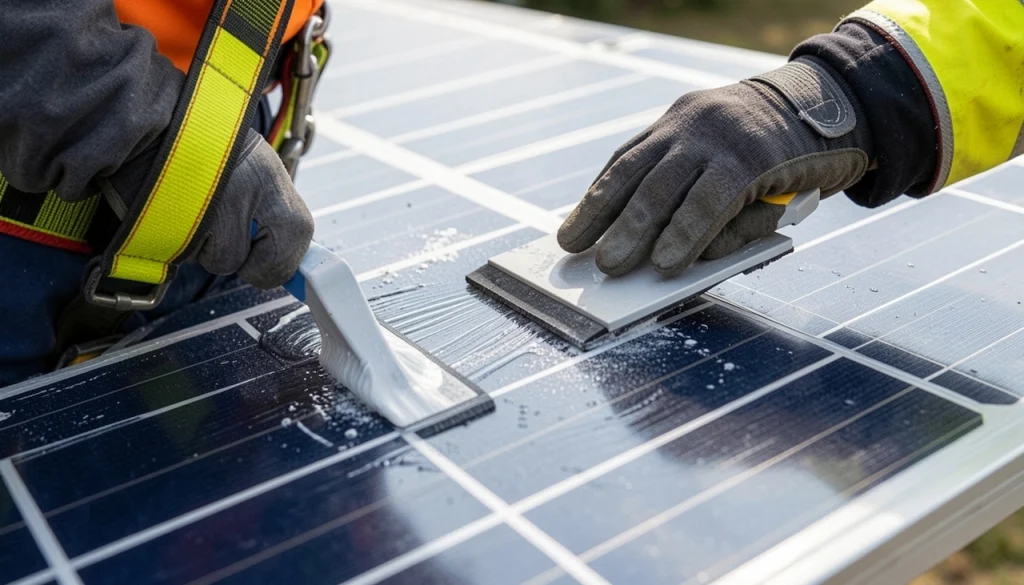
Safety should always be a priority, especially for rooftop installations.
Important precautions include:
- Use stable ladders or safety harnesses
- Avoid cleaning during windy or rainy conditions
- Turn off the system if required by manufacturer guidelines
- Wear non-slip footwear
- Do not step directly on panels
Following proper safety steps ensures risk-free cleaning and long-term system protection.
Final Thoughts
Proper solar panel cleaning is not just about appearance—it directly affects system performance and long-term savings. Whether using DIY methods or professional services, the goal is to maintain maximum sunlight absorption and reduce energy loss.
By following the right cleaning techniques, using appropriate tools, and maintaining a consistent schedule, homeowners and businesses can significantly improve system efficiency and extend the lifespan of their solar investment. Unlike indoor cleaning solutions such as Lowes carpet cleaner rental, solar panels require specialized care to prevent damage while ensuring optimal performance. Consistent maintenance today helps deliver stronger energy output and greater savings tomorrow.
FAQs
What is the best way to clean solar panels?
The best way is soft brushing with water or professional cleaning to avoid damage and maintain solar panel efficiency.
Can I clean solar panels?
Yes, you can safely clean solar panels using soft tools and proper precautions to avoid scratches or system damage.
Which chemical is used for solar panel cleaning?
Mostly mild soap or specialized eco-friendly cleaners are used; harsh chemicals are avoided to protect panel coating.
What is the best stuff to clean solar panels with?
Soft microfiber cloth, distilled water, and gentle cleaning tools are best for safe solar panel cleaning.
Can I use vinegar on solar panels?
No, vinegar is not recommended as it may damage the protective coating on solar panels over time.

Alan is a cleaning and home care writer who shares simple, practical tips to make household cleaning easier and more effective. He focuses on real-world solutions that help readers maintain a clean, organized home with minimal effort.