
Hardwood floors bring warmth and elegance to any home, but they also demand the right care routine. Using the wrong method or product can quickly dull the surface, cause scratches, or even damage the protective finish. That’s why understanding the right hardwood floor cleaner approach is essential for maintaining beauty and durability over time.
This guide breaks down practical cleaning techniques, expert-backed tips, and real-life experiences to help you keep wooden floors spotless without risking damage. Whether you’re dealing with daily dust or deep stains, you’ll learn how to clean smarter—not harder.
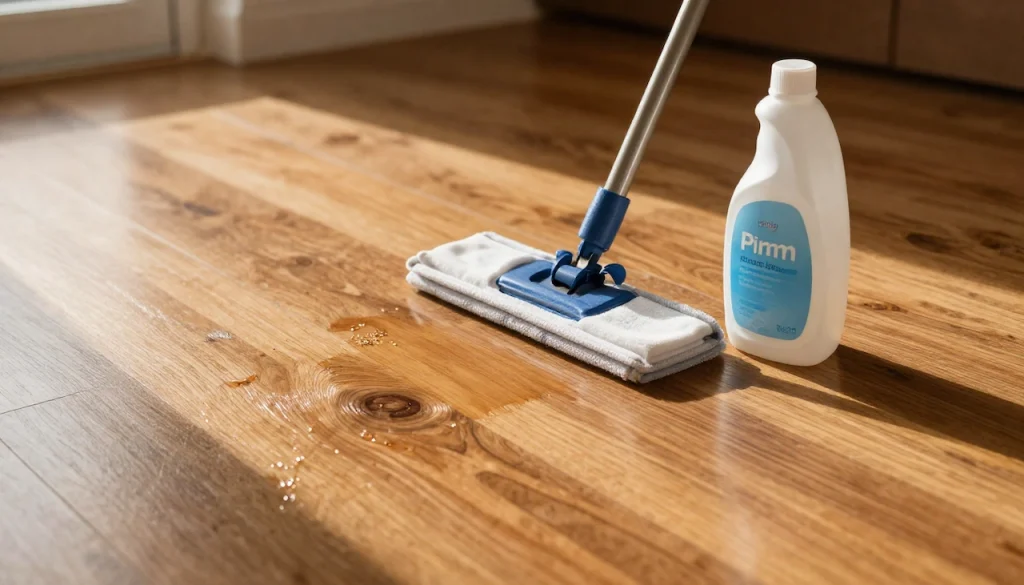
Content
Understanding the Right Hardwood Floor Cleaner for Your Home
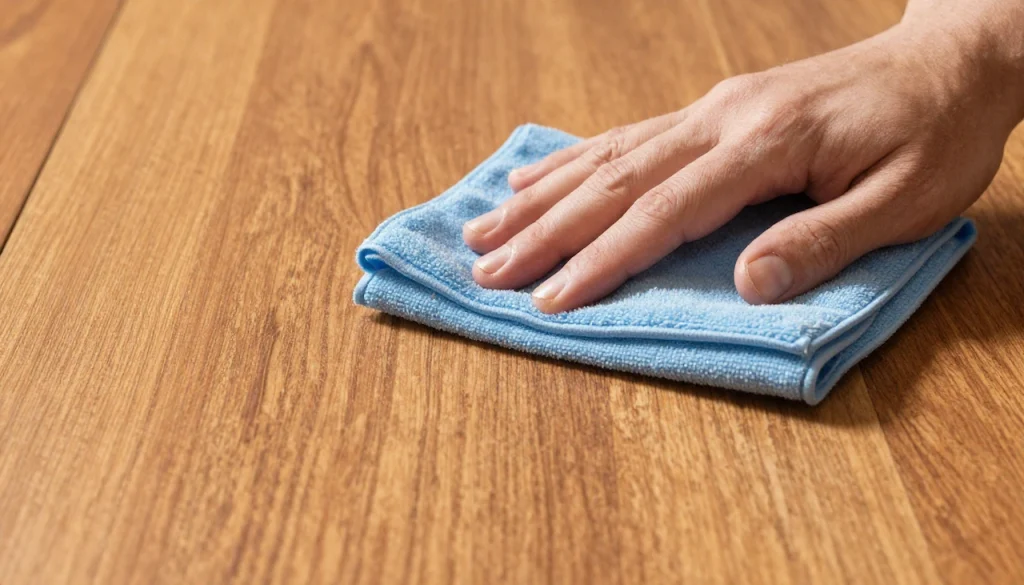
Not all cleaning solutions are suitable for wood surfaces. A proper hardwood floor cleaner is designed to remove dirt without stripping away protective coatings or leaving residue behind.
Many homeowners mistakenly assume that strong chemicals mean better cleaning. In reality, harsh formulas often reduce shine and weaken the finish over time. The hardwood floor cleaner you choose should always be pH-balanced, non-abrasive, and specifically formulated for wood surfaces like sealed hardwood floors.
Safe options include:
- Plant-based cleaners with gentle ingredients
- pH-neutral commercial wood cleaners
- DIY solutions with mild soap and water (used carefully)
When choosing products, always prioritize safe cleaning for wooden floors to avoid long-term damage.
Best Way to Clean Hardwood Floors Step-by-Step
The best way to clean hardwood floors is not complicated, but it requires consistency and proper technique. A simple routine can make a huge difference in how your floors look and last.
Daily Cleaning Routine
- Use a dry microfiber mop for dust removal
- Sweep dirt and debris before mopping
- Avoid excessive water exposure
A microfiber mop for wood floors is highly recommended because it traps dust effectively without scratching the surface.
Weekly Cleaning Method
- Use a lightly damp mop with a wood-safe cleaner
- Clean in the direction of the wood grain
- Dry immediately to prevent moisture damage
Following this routine helps maintain a streak-free floor cleaning finish and keeps surfaces looking polished.
Deep Cleaning Hardwood Surfaces for Long-Term Care
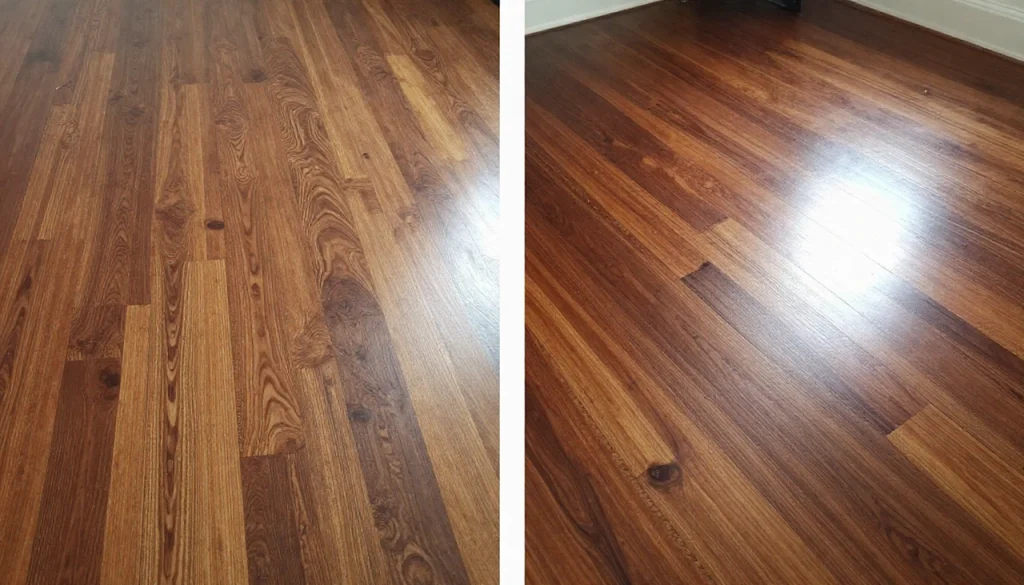
Even with regular cleaning, floors eventually need deeper maintenance. Knowing how to deep clean hardwood floors step by step ensures that dirt buildup is removed safely.
Start by vacuuming or dry mopping thoroughly. Then use a slightly damp mop with a gentle cleaning solution designed for wood. Avoid soaking the floor, as excess moisture is one of the biggest causes of damage.
For stubborn buildup or dullness, a professional-grade product may be needed. Many homeowners look for the best hardwood floor cleaner for old wood floors when restoring older surfaces.Deep cleaning should be done every 1–2 months depending on foot traffic.
Removing Stains and Restoring Natural Shine
Spills and stains are unavoidable, especially in busy households. Knowing how to remove stains from hardwood floors naturally can help prevent permanent marks.
Common stain solutions:
- Water marks: Wipe immediately with a dry cloth
- Grease spots: Use mild dish soap diluted in water
- Pet stains: Clean quickly using a wood-safe cleaner
Avoid harsh scrubbing, as it can damage the protective layer.If your floors look dull, you may wonder how to make hardwood floors shine without wax. The answer lies in regular cleaning and using a lightly damp microfiber mop combined with a safe cleaner.
What Not to Use When Cleaning Hardwood Floors
One of the most important lessons in floor care is understanding what not to use when cleaning hardwood floors.
Avoid:
- Bleach or ammonia-based cleaners
- Steam mops with high heat
- Excess water or soaking methods
- Abrasive scrub brushes
These can weaken the finish and reduce the lifespan of your flooring. Instead, always stick to gentle, wood-safe methods.
Safe Homemade Hardwood Floor Cleaner Recipe
For homeowners who prefer DIY solutions, a safe homemade hardwood floor cleaner recipe can be an effective alternative when used correctly.
A simple mix includes:
- Warm water
- A few drops of mild dish soap
- Optional: a small amount of white vinegar (for sealed floors only)
Use sparingly and always test on a small area first. While DIY solutions are budget-friendly, they must be used carefully to avoid long-term damage.
Real-Life Case Study: Restoring a Dull Living Room Floor
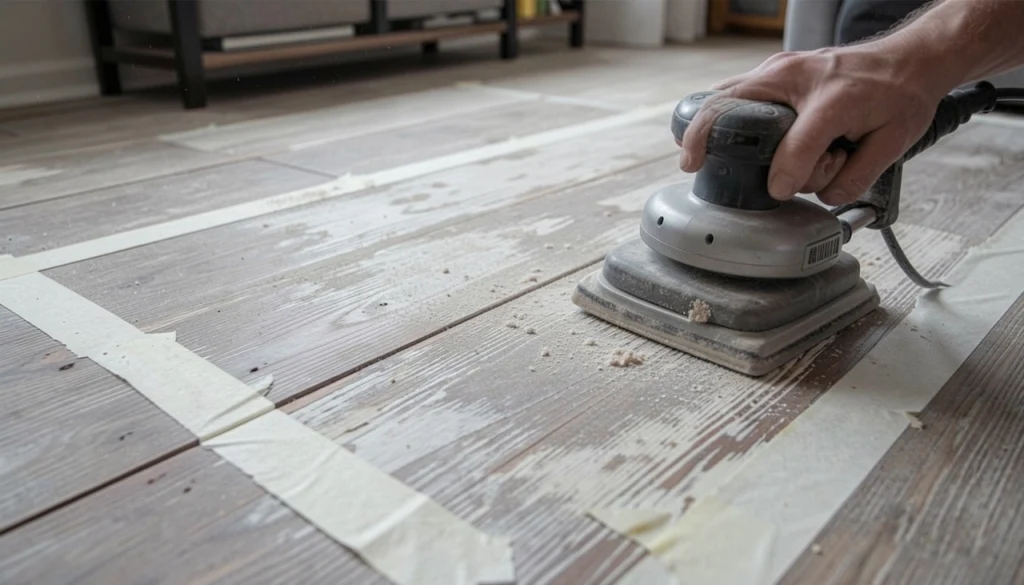
A homeowner I worked with had a 10-year-old hardwood floor that had lost its shine due to years of improper cleaning. The family used strong chemical sprays daily, believing it would keep the floor “extra clean.” Instead, the surface became cloudy and uneven.
We redesigned their routine using a simple plan:
- Switched to a pH-balanced floor cleaning products for wood
- Introduced a microfiber mop system
- Reduced wet cleaning frequency
- Added monthly deep cleaning sessions
Within three weeks, the difference was visible. The floor regained its natural tone, and within two months, it had a soft, reflective shine again.This case clearly showed how using the best hardwood floor cleaner for old wood floors and proper technique can completely transform damaged surfaces without sanding or refinishing.
Hardwood Floor Maintenance for Long-Term Protection
Good cleaning habits are not enough unless combined with consistent maintenance. Proper hardwood floor maintenance extends the life of your flooring and keeps it looking new.
Expert maintenance tips:
- Place mats at entry points to reduce dirt
- Use felt pads under furniture legs
- Avoid walking with shoes indoors
- Clean spills immediately
Regular care reduces the need for expensive repairs or refinishing.
Hardwood Floor Cleaner Expert Tips for Better Results
Here are some professional-level insights for achieving long-lasting results:
- Always clean in natural light to spot streaks easily
- Use minimal liquid during mopping
- Stick to a consistent cleaning schedule
- Rotate cleaning tools for better hygiene
Following these tips ensures deep cleaning of hardwood surfaces becomes more effective and less time-consuming.
Final Thoughts on Keeping Hardwood Floors Clean
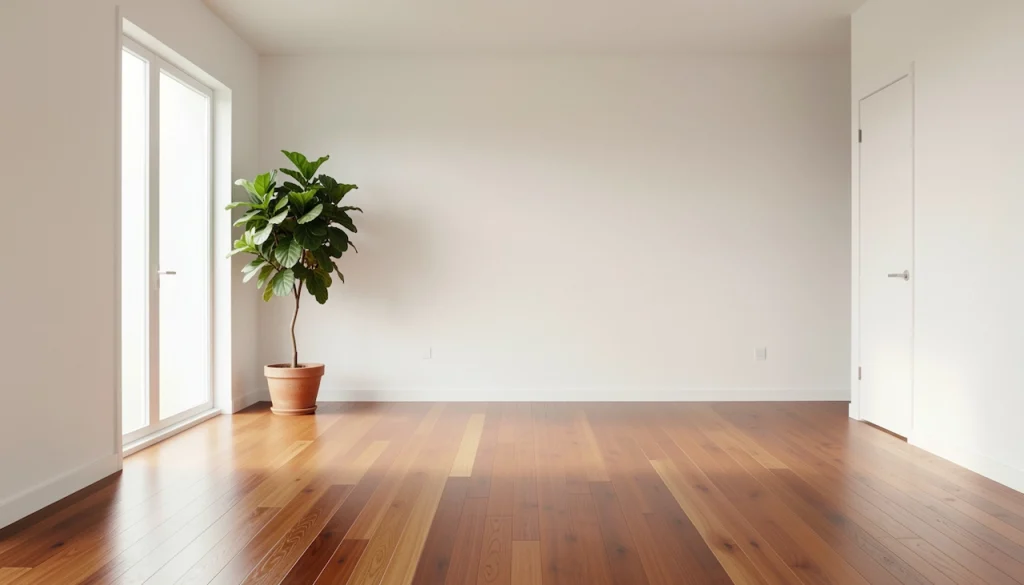
Maintaining wooden floors is all about balance—using the right products, applying correct methods, and avoiding harmful habits. With the right hardwood floor cleaner approach, you can preserve the natural beauty of your flooring for years.
By focusing on safe solutions, regular maintenance, and proper cleaning techniques, even older floors can regain their original shine. The key is consistency and using methods that protect rather than damage the surface. Similar to solar panel cleaning, routine care helps maintain performance, appearance, and long-term value.
A well-maintained hardwood floor doesn’t just look better—it also adds lasting comfort, durability, and value to your home. Whether you’re caring for wood flooring or prioritizing solar panel cleaning, regular maintenance remains one of the most effective ways to protect your investment.
FAQs
What is the best thing to clean hardwood floors with?
The best option is a microfiber mop paired with a pH-balanced hardwood floor cleaner. It removes dirt effectively without scratching or damaging the finish.
What is the best floor cleaner for wooden floors?
A hardwood floor cleaner designed specifically for sealed wood surfaces is best. Look for non-toxic, streak-free, and pH-neutral formulas.
What should you not use on hardwood floors?
Avoid harsh chemicals, steam mops, ammonia, bleach, abrasive scrubbers, and excess water. These can damage the protective layer and dull the surface.
What destroys hardwood floors?
Excess moisture, steam cleaning, abrasive tools, and strong chemical cleaners are the main causes of warping, dullness, and long-term damage.
How do you deep clean hardwood floors?
Start by vacuuming or dry mopping, then use a lightly damp mop with a safe hardwood floor cleaner. Clean gently and dry immediately after mopping.

Alan is a cleaning and home care writer who shares simple, practical tips to make household cleaning easier and more effective. He focuses on real-world solutions that help readers maintain a clean, organized home with minimal effort.