
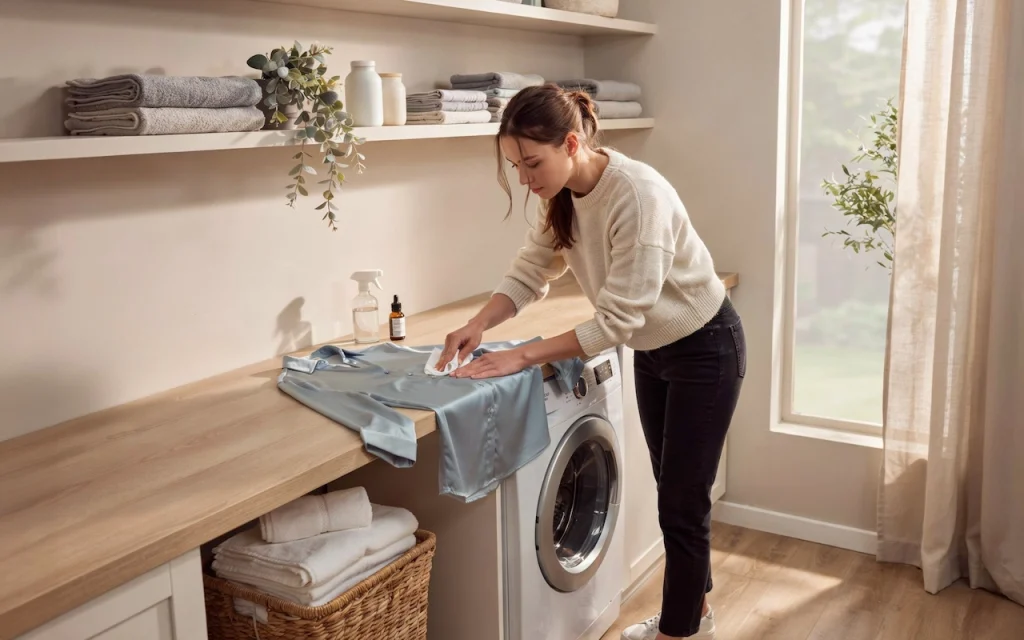
Dry cleaning is no longer something you only rely on professional shops for. With modern tools, simple techniques, and a better understanding of fabrics, Dry Cleaning at Home has become a practical solution for everyday clothing care. Many households are now shifting toward DIY fabric care methods to save money, reduce waiting time, and maintain wardrobe freshness without frequent trips to the cleaners.This guide explains everything in a simple, expert-backed way so you can confidently care for delicate garments using safe and effective home methods.
Content
Why Dry Cleaning at Home Is Becoming Popular

In recent years, people have started exploring Dry Cleaning at Home methods as a smart alternative to expensive professional services. The main reasons include:
- Rising dry cleaning costs
- Time-saving convenience
- Easy availability of cleaning kits
- Better awareness of fabric care
- Eco-friendly cleaning options
Instead of depending on external services, many people now prefer DIY clothes cleaning techniques that offer flexibility and control over garment care.
What Does Dry Cleaning at Home Really Mean?
Unlike traditional washing, dry cleaning does not rely heavily on water. Instead, it uses special solvents, steam, or gentle cleaning kits to remove dirt and stains from fabrics without damaging their structure.In simple terms, Dry Cleaning at Home refers to using safe household or store-bought solutions to refresh and clean clothes labeled “dry clean only” or delicate garments like silk, wool, and chiffon.
This approach is especially useful for:
- Lightly worn clothes
- Delicate fabrics
- Expensive outfits
- Quick refresh before wearing
Essential Tools for Home Dry Cleaning
Before starting, you need a few basic tools to make the process effective and safe:
- Home dry cleaning kit
- Fabric steamer or handheld steamer
- Gentle stain remover
- Mesh laundry bag
- Soft cloth or microfiber towel
- Clothing brush
These tools help create a system similar to professional cleaning but designed for safe home use.
Step-by-Step Guide for Dry Cleaning at Home
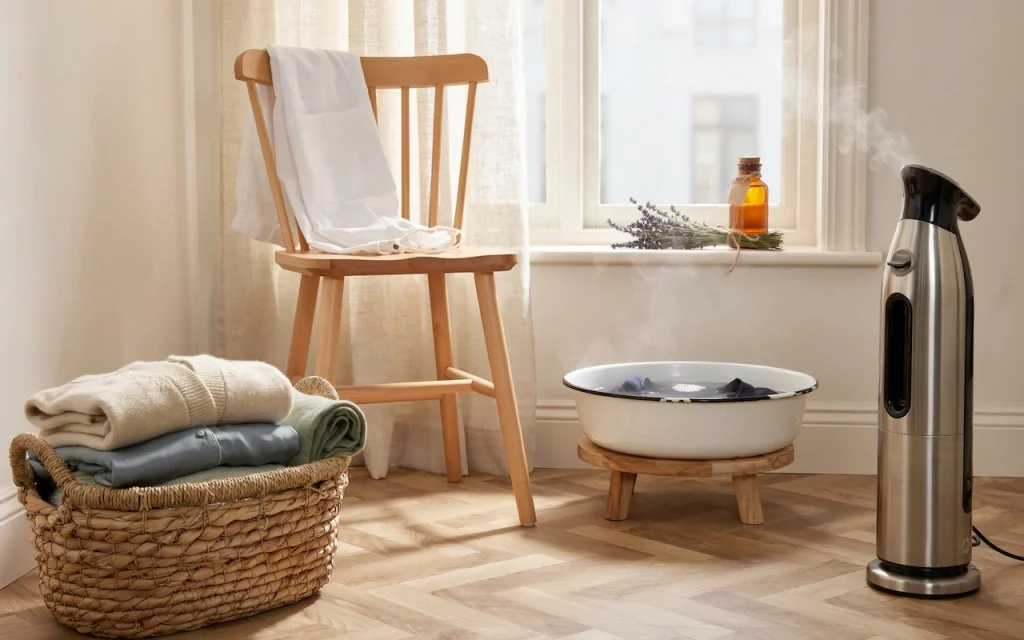
If you’re new to this process, follow this step by step guide for dry cleaning at home to avoid mistakes and fabric damage.
1. Check the Fabric Label First
Always start by reading the care label. This tells you whether the garment is suitable for at-home cleaning or requires professional handling.
2. Pre-Treat Stains Gently
Apply a mild stain remover on visible spots. Do not rub aggressively as it may damage delicate fibers.
3. Use Home Dry Cleaning Kits
Place clothes inside a mesh bag along with a cleaning cloth from your kit. Run a gentle dryer cycle if instructed.
4. Steam for Freshness
Steam helps remove odors and refresh fabric texture. This is one of the most effective steam cleaning clothes at home techniques.
5. Air Dry Properly
Avoid direct sunlight. Hang clothes in a ventilated area to maintain shape and softness.
How to Handle Delicate Fabrics Safely
Different fabrics require different care approaches. Here’s how to manage them effectively:
Silk
Silk requires extra care. Light steaming and spot cleaning work best. Avoid soaking.
Wool
Wool garments respond well to gentle brushing and air refreshing methods.
Synthetic Fabrics
These are easier to handle and can tolerate mild at-home cleaning techniques.If you are wondering how to clean delicate fabrics at home safely, always prioritize low heat, gentle handling, and minimal moisture exposure.
Common Mistakes to Avoid
Even simple mistakes can damage your clothes during home cleaning. Avoid the following:
- Using harsh detergents
- Over-steaming delicate fabrics
- Ignoring care labels
- Scrubbing stains aggressively
- Overloading dryer or cleaning kits
These mistakes often lead to shrinkage, fading, or fabric weakening.
Eco-Friendly Dry Cleaning at Home for Sustainable Fabric Care
Modern cleaning is not just about convenience—it’s also about sustainability. Many people now prefer eco-conscious methods like:
- Steam-based cleaning instead of chemicals
- Reusable cleaning kits
- Natural fabric fresheners
- Water-saving techniques
These methods support eco-friendly fabric cleaning while reducing environmental impact.
Real-Life Case Study: Saving a Silk Dress at Home
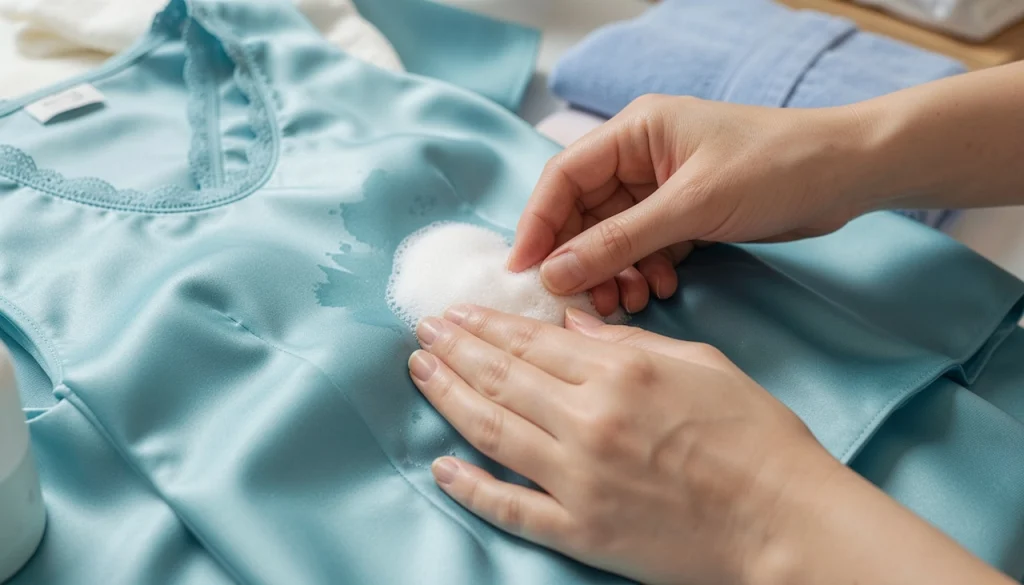
A customer named Ayesha had a costly silk dress stained with coffee just a day before an important family event. With no time to visit a professional cleaner, she decided to try Dry Cleaning at Home using a basic kit.
Here’s what she did:
- Applied a mild stain remover carefully
- Used a mesh bag and gentle dryer cycle
- Finished with steam cleaning
Within a few hours, the stain faded significantly, and the dress regained its smooth texture. She successfully avoided expensive professional service and saved both time and money.This example shows how home dry cleaning methods for silk and wool clothes can be surprisingly effective when done correctly.
Affordable Alternatives to Professional Cleaning
Many people search for affordable alternatives to professional dry cleaning services, especially for regular clothing maintenance. Dry Cleaning at Home offers:
- Lower long-term cost
- Quick turnaround time
- Easy repeat usage
- Less dependency on external services
For everyday wear, at-home solutions are often more practical than professional cleaning.
Best Practices for Beginners
If you are just starting, this home dry cleaning kits for beginners guide approach will help:
- Start with low-value clothing first
- Avoid heavily stained garments initially
- Follow kit instructions carefully
- Test stain removers on hidden areas
With practice, you can confidently clean more delicate items.
Conclusion
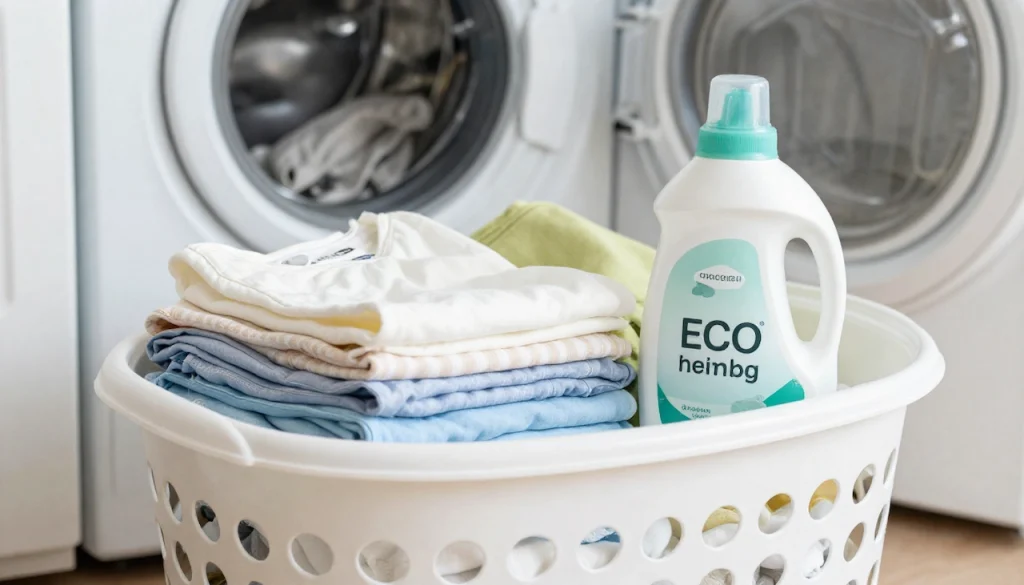
Learning Dry Cleaning at Home is a practical skill that saves time, reduces expenses, and helps extend the life of your clothing. With the right tools, careful steps, and fabric awareness, anyone can safely care for delicate garments at home. Just as using a quality Hardwood floor cleaner helps protect and maintain wood surfaces, proper at-home dry cleaning techniques help preserve fabric quality, appearance, and longevity.
FAQs
Is it possible to dry clean at home?
Yes, Dry Cleaning at Home is possible using kits, steamers, and gentle stain removal for light cleaning and fabric refresh.
How to dry clean at home naturally?
Use steam, baking soda, and air drying methods for a natural, chemical-free fabric refresh.
How to wash dry clean only at home?
Use light steam, spot cleaning, and minimal moisture instead of full water washing.
Can I use a steamer to dry clean?
Yes, steamers are a key part of Dry Cleaning at Home to remove odors and refresh delicate fabrics safely.

Alan is a cleaning and home care writer who shares simple, practical tips to make household cleaning easier and more effective. He focuses on real-world solutions that help readers maintain a clean, organized home with minimal effort.