
Starting a house cleaning business can be one of the most rewarding ways to become your own boss. With more homeowners and busy professionals looking for reliable house cleaning services, the demand for quality cleaning continues to grow. The best part is that you don’t need a huge investment to get started. With the right planning, equipment, and marketing strategy, you can build a successful business that generates recurring income.
If you’ve been wondering how to start a house cleaning business, this guide walks you through every important step—from planning and pricing to finding your first clients and growing your company.
Content
Why a House Cleaning Business Is a Smart Investment
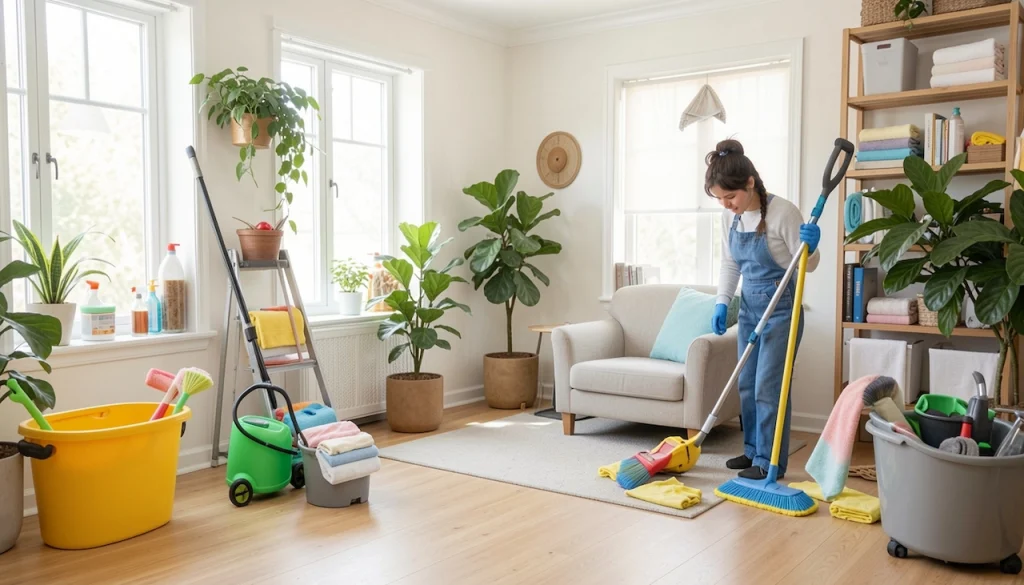
The house cleaning business industry continues to grow because homes, apartments, and rental properties always require regular maintenance. Many families, seniors, and working professionals prefer hiring professional house cleaning providers to save time and maintain a healthier living environment, making this industry a profitable opportunity for new entrepreneurs.
Some benefits include:
- Low startup investment
- Flexible working hours
- High demand in most cities
- Opportunities for recurring cleaning services
- Easy to expand with additional employees
Whether you launch a solo home cleaning business or build a larger cleaning company, there is plenty of room for long-term growth.
Step 1: Research Your Local Market
Every successful cleaning service business starts with proper research.
Begin by identifying:
- Your target customers
- Local competitors
- Average cleaning prices
- Popular services in your area
Ask yourself:
- Are families looking for weekly cleaning?
- Is there demand for deep cleaning services?
- Do landlords frequently need move-in move-out cleaning?
- Are customers interested in eco-friendly cleaning services?
Understanding your market helps you create services that customers actually want.
Identify Your Ideal Customers
Different customers have different cleaning needs.
Your audience may include:
- Busy professionals
- Families with children
- Senior homeowners
- Property managers
- Airbnb hosts
- Real estate agents
Knowing your audience helps you market your business more effectively.
Step 2: Create a Cleaning Business Plan
A simple cleaning business plan keeps your goals organized and helps you make better business decisions.
Include:
- Business name
- Services offered
- Startup budget
- Target market
- Pricing strategy
- Marketing plan
- Revenue goals
If you’re looking for a house cleaning business plan for beginners, keep it practical. Your plan doesn’t have to be lengthy—it simply needs to provide a clear direction.
Step 3: Register Your Business and Get Insurance
Before accepting clients, register your business according to local regulations.
You should also consider:
- Business licenses (if required)
- Tax registration
- Business bank account
- Liability insurance
A good house cleaning business insurance guide always recommends liability coverage because accidents can happen, even with experienced cleaners. Insurance protects both your business and your customers.
Step 4: Calculate Your Startup Costs
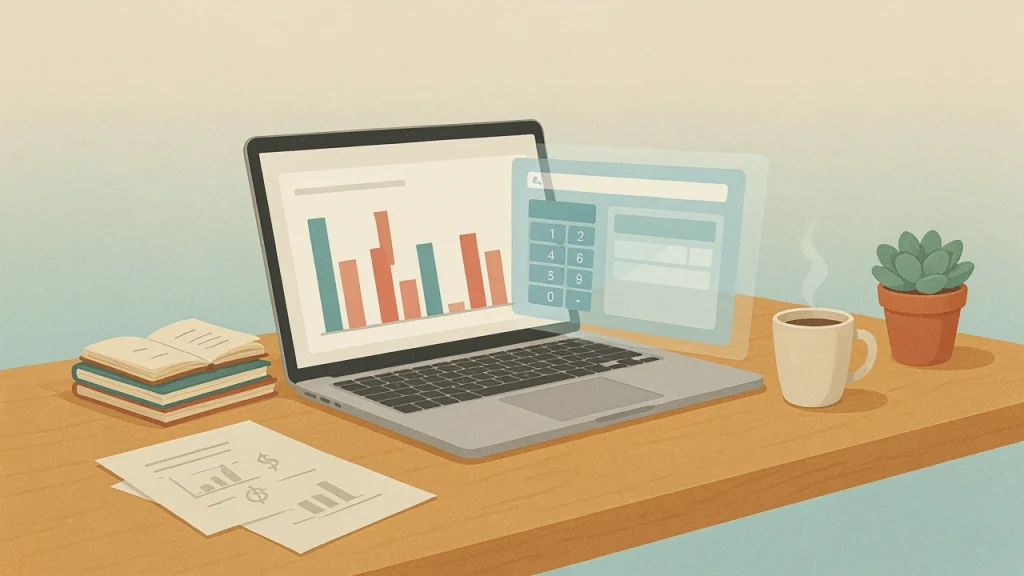
Many entrepreneurs ask about house cleaning business startup costs.Fortunately, the investment is relatively affordable.
Typical expenses include:
- Cleaning supplies
- Vacuum cleaner
- Mop and buckets
- Microfiber cloths
- Transportation
- Business registration
- Insurance
- Website
- Marketing materials
Most small businesses begin with only the essentials and upgrade equipment as profits increase.
Step 5: Buy the Right Equipment
Using reliable tools helps you clean faster and deliver better results.A basic house cleaning business equipment checklist includes:
- Commercial vacuum
- Microfiber cloths
- Mop system
- Spray bottles
- Extension duster
- Glass cleaner
- Bathroom disinfectant
- Floor cleaner
- Protective gloves
- Trash bags
Buying quality cleaning business equipment reduces replacement costs over time and improves customer satisfaction.
Step 6: Decide Which Services to Offer
Avoid trying to offer everything immediately.
Start with services such as:
- Standard residential cleaning services
- Weekly maintenance cleaning
- Monthly cleaning
- Deep cleaning services
- Move-in move-out cleaning
- Kitchen cleaning
- Bathroom sanitization
- Window cleaning
- Eco-friendly cleaning services
As demand grows, you can add specialty services to increase revenue.
Step 7: Learn How to Price Your Services
One of the biggest questions new business owners ask is how to price house cleaning services.
Pricing depends on factors like:
- Home size
- Number of bedrooms
- Cleaning frequency
- Service type
- Travel distance
Many businesses charge:
- Hourly rates
- Flat-rate packages
- Per-room pricing
Creating a simple house cleaning business pricing guide ensures consistency and helps customers understand exactly what they’re paying for.
Step 8: Build Your Brand
Professional branding creates trust before customers even contact you.
Your brand should include:
- Business logo
- Business cards
- Professional uniforms
- Company website
- Google Business Profile
- Social media pages
People often hire businesses that appear organized and trustworthy.
Step 9: Get Your First Clients

Many new owners wonder how to get clients for a house cleaning business.Start with local marketing.
Effective strategies include:
- Asking friends and family for referrals
- Creating a Google Business Profile
- Posting in neighborhood Facebook groups
- Distributing flyers
- Offering first-time customer discounts
- Encouraging online reviews
One of the best marketing ideas for a house cleaning business is building referral relationships with real estate agents and property managers, who frequently need dependable cleaning services.
Step 10: Deliver Outstanding Customer Service
Excellent customer service turns one-time clients into loyal customers.
Simple habits include:
- Arriving on time
- Communicating clearly
- Following a cleaning checklist
- Respecting customers’ homes
- Asking for feedback
Satisfied customers often book recurring cleaning services, which provide stable monthly income.
Real-Life Case Study: How Sarah Built a Profitable Cleaning Business
Sarah, a former office administrator from Texas, wanted a career with more flexibility after becoming a parent. Instead of investing in a franchise, she started a small house cleaning business with basic equipment, a simple website, and a few referrals from friends.
During her first month, she secured four recurring clients by offering reliable service and clear communication. She also asked every satisfied customer for an online review, which helped her appear in local search results.
Within a year, Sarah had expanded to three cleaning teams and served more than 60 regular households. She credits her growth to consistent service quality, smart scheduling, and investing in cleaning business marketing rather than expensive advertising. Her experience shows that a well-planned business can grow steadily without requiring a large upfront investment.
Common Mistakes to Avoid
Many beginners make avoidable mistakes that slow business growth.
Try to avoid:
- Charging prices that are too low
- Ignoring customer reviews
- Purchasing unnecessary equipment
- Skipping insurance
- Accepting every type of cleaning job
- Failing to create standard cleaning procedures
Learning from these mistakes saves both time and money.
Tips to Make Your Business More Profitable

If you’re wondering how to make a house cleaning business profitable, focus on improving efficiency rather than simply working more hours.
Helpful strategies include:
- Upsell deep cleaning packages
- Offer recurring service discounts
- Invest in quality equipment
- Automate scheduling and invoicing
- Encourage customer referrals
- Train employees consistently
- Track expenses and profits
These small improvements can significantly increase your profit margins over time.
Final Thoughts
Starting a house cleaning business is an achievable goal for anyone willing to plan carefully, provide excellent service, and market consistently. By understanding your local market, investing in the right cleaning business equipment, creating a solid cleaning business plan, and learning how to price house cleaning services, you can build a business that continues to grow year after year.
Whether you begin as a solo cleaner or eventually manage multiple teams, success comes from delivering reliable results, building trust with customers, and continually improving your operations. Expanding your services to include House cleaning for seniors can help you reach a growing customer base while providing valuable support to older adults who need safe, reliable, and compassionate cleaning assistance. With patience, consistency, and a customer-first mindset, your business can become a trusted name in your community.
FAQs
What is the 80/20 rule for cleaning?
The 80/20 rule for cleaning means focusing on the 20% of tasks that remove 80% of visible dirt, saving time while keeping spaces clean.
What is the 20 minute rule of cleaning?
The 20 minute rule encourages cleaning for just 20 minutes daily to prevent clutter and make household chores easier to manage.
What is a nice name for a cleaner?
Choose a simple, memorable name that reflects trust and professionalism, such as Sparkle Clean, Fresh Nest Cleaning, or Pure Home Clean.
Which business is best for monthly income?
A house cleaning business offers steady monthly income through recurring clients, reliable demand, and opportunities to expand services.
What business has a 90% success rate?
No business guarantees a 90% success rate. Success depends on planning, marketing, customer service, and consistent quality.

Alan is a cleaning and home care writer who shares simple, practical tips to make household cleaning easier and more effective. He focuses on real-world solutions that help readers maintain a clean, organized home with minimal effort.