
A slow or clogged kitchen sink can turn even the simplest cooking task into a frustrating experience. Grease, food scraps, soap residue, and other debris gradually build up inside the pipes, reducing water flow and creating unpleasant odors. Regular maintenance and the right kitchen sink drain cleaner can help keep your drain flowing smoothly while reducing the risk of expensive plumbing repairs.
Whether you prefer a DIY solution, a natural cleaning method, or a commercial product, understanding what causes clogs and how to remove them safely can save both time and money. In this guide, you’ll learn practical cleaning techniques, preventive maintenance tips, and the safest ways to keep your kitchen drain in excellent condition.
Content
Kitchen Sink Drain Cleaner: Why Kitchen Drains Get Clogged
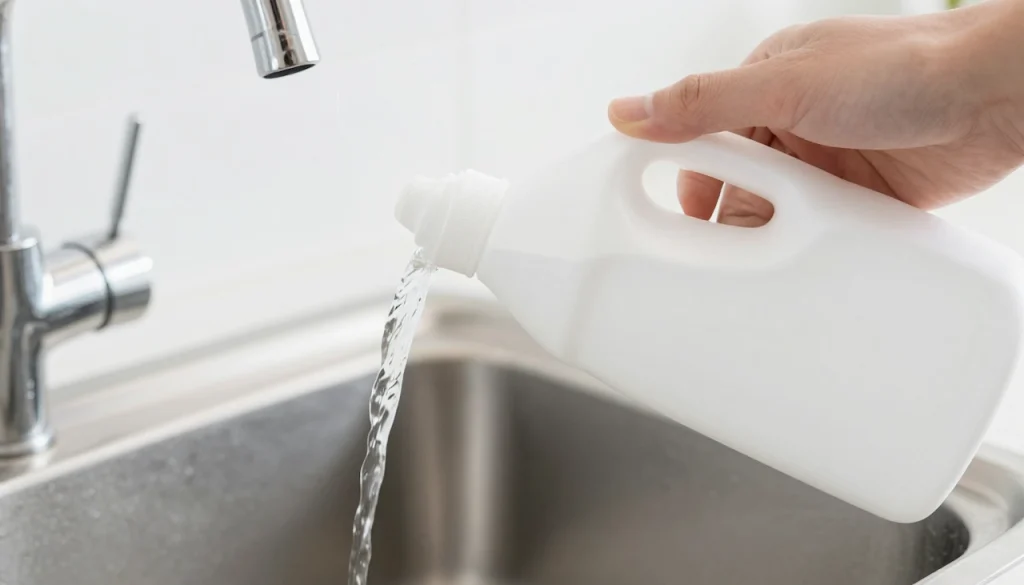
Kitchen sink drain cleaner is essential because kitchen sink drains handle much more than water. Every day, small amounts of grease, oils, soap, coffee grounds, and food particles travel through the pipes. Over time, these materials stick to the pipe walls, creating stubborn blockages that restrict water flow and lead to unpleasant odors.
Some of the most common causes include:
- Grease buildup from cooking oils
- Food debris collecting inside pipes
- Soap scum mixed with grease
- Coffee grounds
- Rice and pasta that expand with water
- Eggshells and fibrous vegetables
- Mineral deposits from hard water
If ignored, these materials can lead to a slow draining kitchen sink, unpleasant smells, or a complete blockage.
Signs Your Kitchen Drain Needs Cleaning
Your drain usually gives several warning signs before it becomes completely blocked.
Look for these common symptoms:
- Water drains slowly.
- Gurgling sounds after using the sink.
- Bad smells coming from the drain.
- Water backs up into the sink.
- Frequent minor clogs.
Cleaning the drain as soon as you notice these signs is much easier than dealing with a major blockage later.
Best Kitchen Sink Drain Cleaner Methods
Choosing the right cleaning method depends on what’s causing the clog. Some situations respond well to natural cleaners, while tougher blockages may require stronger solutions.
1. Baking Soda and Vinegar
Many homeowners ask, “Can I use baking soda and vinegar to clean my drain?” The answer is yes.One of the safest methods is baking soda and vinegar for kitchen sink drain cleaning.
Steps
- Pour one cup of baking soda into the drain.
- Add one cup of white vinegar.
- Let the mixture fizz for 15–20 minutes.
- Flush with hot water.
This method helps loosen grease, reduce odors, and remove light buildup without damaging pipes.
2. Hot Water Flush
Hot water works surprisingly well for fresh grease deposits.Simply pour a kettle of hot (not boiling for PVC pipes) water slowly into the drain to soften grease buildup.Regular hot water flushing also supports better drain pipe maintenance.
3. Enzyme Drain Cleaners
An enzyme kitchen sink drain cleaner uses natural bacteria and enzymes to break down organic waste.
Benefits include:
- Safe for most plumbing systems
- Septic-friendly
- Removes food residue naturally
- Helps reduce drain odors
Although enzyme cleaners work more slowly than chemical products, they’re excellent for regular maintenance.
4. Chemical Drain Cleaners
Sometimes homeowners choose a drain cleaner for kitchen sink designed for severe blockages.However, chemical cleaners should only be used occasionally because excessive use may:
- Damage older pipes
- Harm septic systems
- Create safety hazards if mixed with other cleaners
Always read product instructions carefully before use.
Chemical vs Natural Kitchen Sink Drain Cleaner
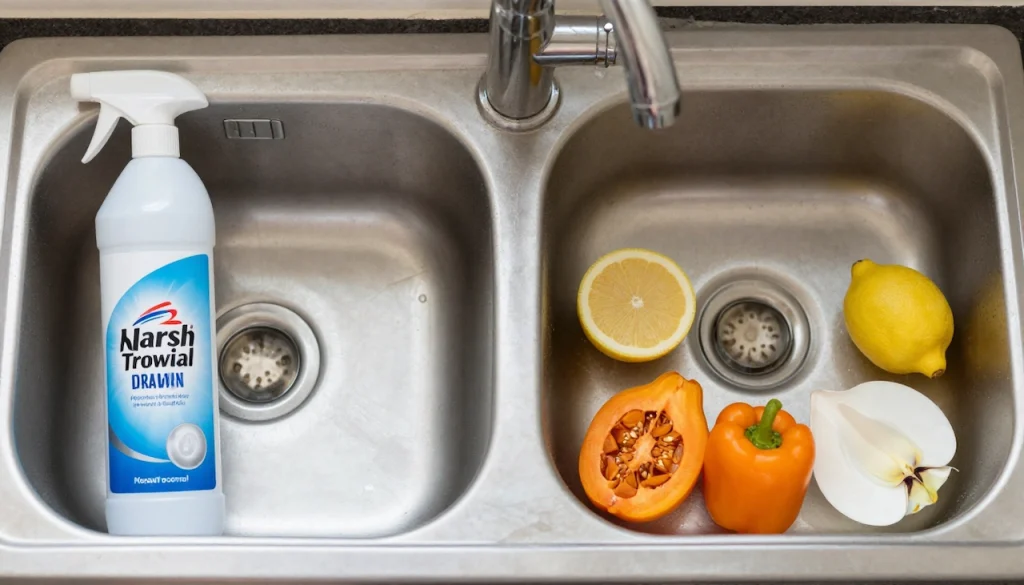
Many people wonder whether natural or chemical cleaners are better.
Natural Cleaners
Advantages
- Eco-friendly
- Safe for frequent use
- Gentle on plumbing
- Affordable
Disadvantages
- Less effective on severe clogs
Chemical Cleaners
Advantages
- Fast results
- Effective on stubborn grease
Disadvantages
- Can damage certain pipes
- Strong fumes
- Not environmentally friendly
For routine maintenance, natural methods are usually the safer long-term choice.
How to Remove Grease from Kitchen Sink Drain
One of the biggest causes of clogged drains is grease.If you’re wondering how to remove grease from kitchen sink drain, follow these simple steps.
- Remove any standing water.
- Add baking soda.
- Pour vinegar slowly.
- Wait 20 minutes.
- Flush with hot water.
- Repeat if necessary.
Never pour cooking oil or bacon grease directly into your sink. Even liquid grease eventually hardens inside the pipes.
DIY Kitchen Sink Drain Cleaner You Can Make at Home
Creating the best homemade kitchen sink drain cleaner is simple.
Ingredients
- 1 cup baking soda
- 1 cup white vinegar
- Hot water
This combination works well for routine cleaning and helps eliminate unpleasant odors while reducing grease buildup.
Many homeowners use this mixture once every month to prevent future clogs.
Real-Life Case Study: A Small Habit That Saved an Expensive Plumbing Bill
Last year, my neighbor Sarah noticed her kitchen sink draining more slowly every week. At first, she ignored it because the water eventually disappeared.A month later, the sink completely clogged while preparing dinner for guests.
Instead of immediately calling a plumber, she tried a simple cleaning routine. She used baking soda, vinegar, and hot water, followed by an enzyme cleaner overnight. She also started collecting cooking grease in a disposable container instead of pouring it into the sink.Within two days, the drain flowed normally again.
More importantly, she adopted a monthly cleaning schedule and installed a sink strainer. Over the following year, she didn’t experience another blockage and avoided what could have been a costly plumbing repair.This experience shows that regular maintenance is often more effective—and far less expensive—than waiting for a complete clog.
How to Prevent Kitchen Sink Drain Clogs
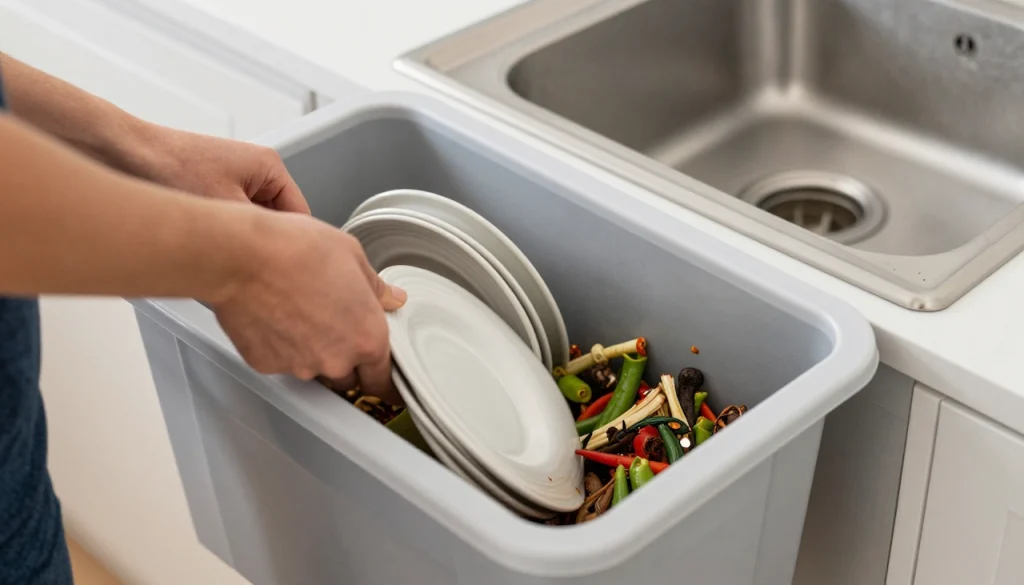
Knowing how to prevent kitchen sink drain clogs is even more valuable than learning how to remove them.
Here are some effective habits:
- Use a sink strainer to catch food scraps.
- Dispose of grease in the trash.
- Flush the drain with hot water weekly.
- Clean the drain monthly using baking soda and vinegar.
- Avoid putting coffee grounds down the sink.
- Never wash rice or pasta into the drain.
- Clean your garbage disposal regularly.
These simple practices can significantly reduce the chances of future blockages.
Kitchen Sink Drain Cleaner for Bad Odors
Bad smells usually indicate trapped organic matter inside the drain.
A good kitchen sink drain cleaner for bad odors should remove both the odor and its source.
Effective odor-removal methods include:
- Baking soda and vinegar
- Enzyme cleaners
- Citrus peels (for garbage disposals)
- Regular hot water flushing
Keeping the drain clean also improves overall kitchen hygiene.
How Often Should You Clean a Kitchen Sink Drain?
Many homeowners ask how often they should clean their kitchen drain. Using a kitchen sink drain cleaner as part of a simple maintenance schedule helps prevent clogs, reduce odors, and keep water flowing smoothly.
- Hot water flush: once a week
- Baking soda and vinegar: once a month
- Enzyme cleaner: every 1–2 months
- Deep cleaning: every 6 months
Following this schedule helps prevent grease buildup before it becomes a serious problem.
Mistakes to Avoid When Cleaning Sink Drains
Avoid these common mistakes:
- Pouring grease into the sink
- Mixing different chemical cleaners
- Using excessive chemical drain products
- Ignoring slow drainage
- Putting fibrous vegetables into the garbage disposal
- Using boiling water on PVC pipes
Small mistakes today can lead to expensive plumbing repairs tomorrow.
When Should You Use a Kitchen Sink Drain Cleaner or Call a Professional Plumber?
While most clogs can be handled at home, professional help is recommended if:
- Water backs up repeatedly.
- Multiple drains clog simultaneously.
- The clog doesn’t clear after several attempts.
- You notice leaking pipes.
- There is a persistent sewage odor.
A licensed plumber can inspect the drain and identify deeper plumbing issues before they become major repairs.
Final Thoughts
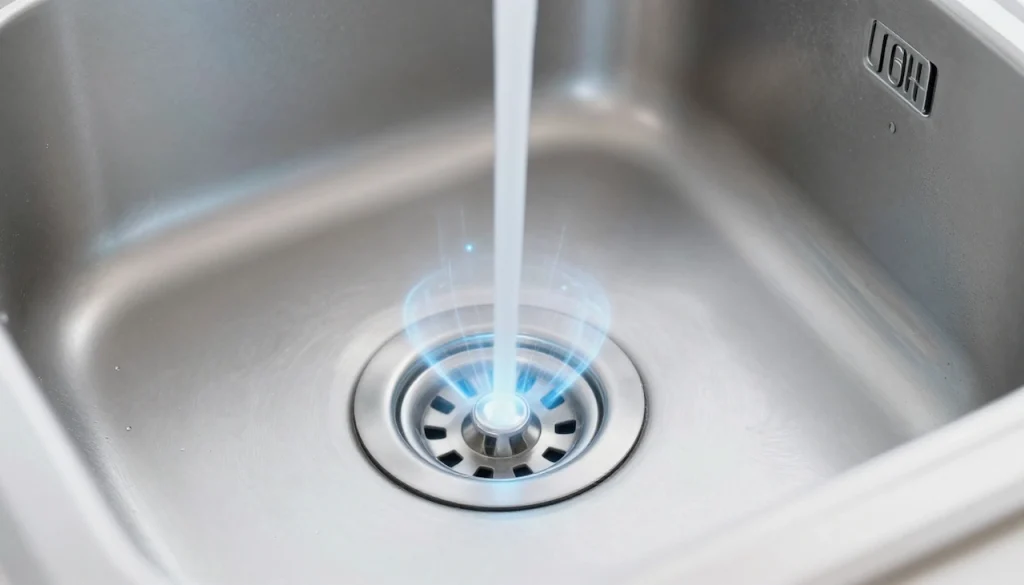
Keeping your kitchen drain clean doesn’t require expensive products or complicated techniques. Regular maintenance, smart kitchen habits, and choosing the right kitchen sink drain cleaner can prevent stubborn clogs, eliminate unpleasant odors, and extend the life of your plumbing system. Pairing good drain care with routine Kitchen hood cleaning also helps maintain a cleaner, healthier cooking environment by reducing grease buildup throughout the kitchen.Whether you prefer a natural cleaning solution or a commercial product, consistency is the key to healthy drains. By taking a few preventive steps each month, you can enjoy a cleaner kitchen, smoother water flow, fewer plumbing headaches, and a more hygienic kitchen for years to come.
FAQs
What is the best kitchen sink drain cleaner?
The best option depends on the type of clog. Baking soda and vinegar work well for routine maintenance, enzyme cleaners are ideal for organic buildup, and chemical cleaners are better reserved for severe blockages.
Is baking soda and vinegar safe for kitchen sink drains?
Yes. This natural combination is generally safe for most plumbing systems and is effective at loosening grease, reducing odors, and cleaning light buildup.
How do I remove grease from a kitchen sink drain?
Use baking soda followed by vinegar, let the mixture sit for about 20 minutes, then flush the drain with hot water. Avoid pouring grease into the sink in the future.
Why does my kitchen sink drain smell bad?
Drain odors are usually caused by trapped food particles, grease buildup, or bacteria inside the pipes. Regular cleaning with an enzyme cleaner or a baking soda and vinegar solution can help eliminate the smell.

Alan is a cleaning and home care writer who shares simple, practical tips to make household cleaning easier and more effective. He focuses on real-world solutions that help readers maintain a clean, organized home with minimal effort.